


Download app



How to Track Calories in Indian Food Easily
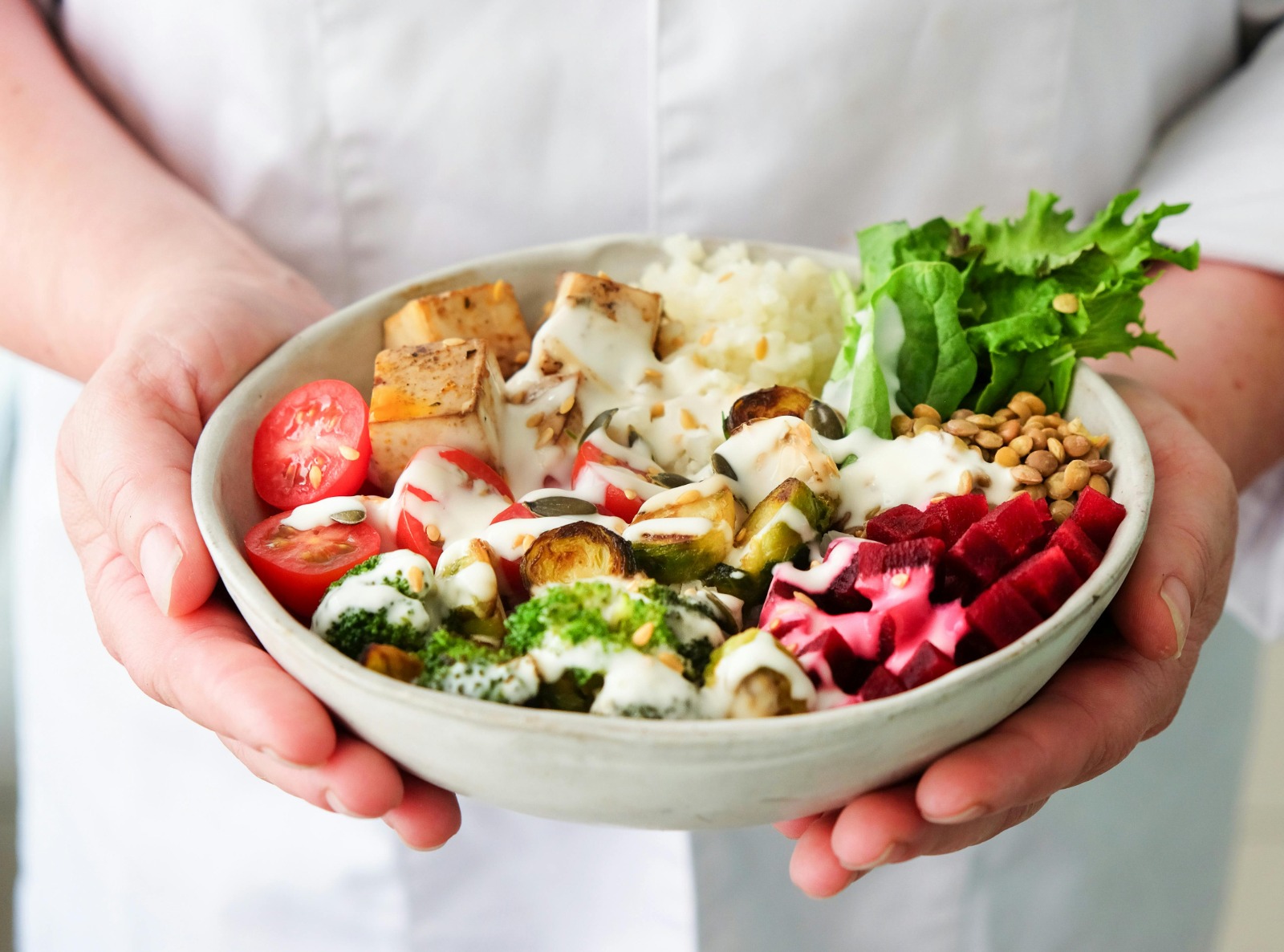
Tracking calories in Indian food can feel overwhelming, mainly because our meals often include many ingredients, spices, and cooking styles that vary from home to home.
The good news is that calorie tracking doesn’t need to be complicated. With a few easy methods and consistent habits, you can monitor your intake without stress.
Understanding the Basics of Calorie Tracking
One of the simplest ways to track calories in Indian food is to begin with the basics—portion sizes. Many people rely on estimates when serving rotis, rice, or curries, leading to inaccurate tracking. Switching to standard household measurements such as cups, ladles, and measuring spoons helps bring consistency.
A medium roti generally contains around 120 calories, a cup of cooked rice has about 200 calories, and a cup of dal averages around 150 calories. These numbers may vary slightly depending on ingredients, but using similar serving sizes each day creates a reliable pattern.
Using an Indian Food Calorie Chart for Clarity
An Indian food calorie chart is beneficial when you want quick clarity. It includes values for commonly eaten foods like idli, dosa, dal, sabzi, sambar, poha, khichdi, and biryani.
For example, a masala dosa may range from 350 to 450 calories, depending on size and oil used. A cup of upma is roughly 200 calories, while a plate of chicken biryani in Hyderabad can go anywhere from 500 to 700 calories. Similarly, simple foods like idlis remain low in calories, with one piece typically containing 35-50 calories.
These charts give you a strong reference point, especially when you are beginning your calorie-tracking journey.
How to Track Calories in Indian Foods Homemade
Homemade Indian meals are usually healthier than restaurant food, but they can still vary depending on how much oil or ghee is used. A simple method for tracking calories accurately is to calculate the total calories of all raw ingredients and divide by the number of servings.
Imagine preparing a vegetable curry. If you used two tablespoons of oil, potatoes, peas, tomatoes, and spices, you can add up the approximate calories of each ingredient. Once you divide the total by the number of portions, you get a precise estimate of calories per serving. This method works beautifully for dals, vegetable sabzis, curries, and even rice dishes.
Choosing Low-Calorie Indian Meals for Easier Tracking
A smart way to simplify calorie tracking is to include more low-calorie Indian meals in your daily routine. Foods like moong dal khichdi, ragi dosa, plain upma, sprouts salad, multigrain roti with sabzi, and tandoori-style protein offer high satiety without pushing calorie limits.
These meals are not just easy to track but also ideal for weight management. If you live in fast-paced cities like Hyderabad or Bangalore, where restaurant dining is everyday, including lighter meals at home helps balance your overall intake.
Estimating Calories When Eating Out
Cities with vibrant food cultures often make calorie tracking challenging. Whether it’s Hyderabad’s aromatic biryanis or Bangalore’s dosas and street food, restaurant meals tend to use more oil and butter and feature larger serving sizes.
A helpful approach is to assume that restaurant meals contain significantly more calories than their homemade versions. For example, if a cup of homemade biryani is around 300 calories, the same portion from a restaurant can be 1.5 times higher due to richer masalas, ghee, and larger portions.
Choosing plain, grilled, steamed, or baked dishes over fried or buttery ones can help you estimate calories more accurately and stay in control even when dining out.
Exploring Healthy Indian Food Options
India offers countless healthy Indian food options that support calorie management. Opting for lighter snacks like roasted chana instead of deep-fried pakodas, choosing idlis over vadas, preferring tawa rotis instead of buttery naans, or selecting vegetable-rich dishes can make a significant difference.
Small decisions—such as limiting ghee, reducing sugar in tea, or using controlled amounts of oil—gradually add up to better calorie awareness and healthier eating.
Why Consistency Matters More Than Perfection
Calorie tracking is not about being perfect; it’s about being consistent. You don’t need to know every gram or every calorie precisely. Even staying within a 10–15% margin is enough for most fitness and health goals. Over time, you develop a natural understanding of portions, enabling you to make better food decisions without constant calculations.
Order Calorie-Controlled Meals Easily with HAETT
If your busy schedule makes calorie tracking difficult, HAETT brings the perfect solution. Whether you want balanced weight-loss meals, high-protein bowls, low-carb options, or portion-controlled Indian dishes, HAETT ensures that each meal is accurately measured and calorie-labelled. This removes the guesswork and helps you maintain your health goals effortlessly—without cooking, calculating, or compromising on taste.